
Explore solo RPG styles, from character-driven campaigns and journaling to world-building and lethal dungeon crawls, with guidance on choosing games such as Ironsworn, Starforged, Ex Novo, Artefact, and solo emulators.
Month: March 2026
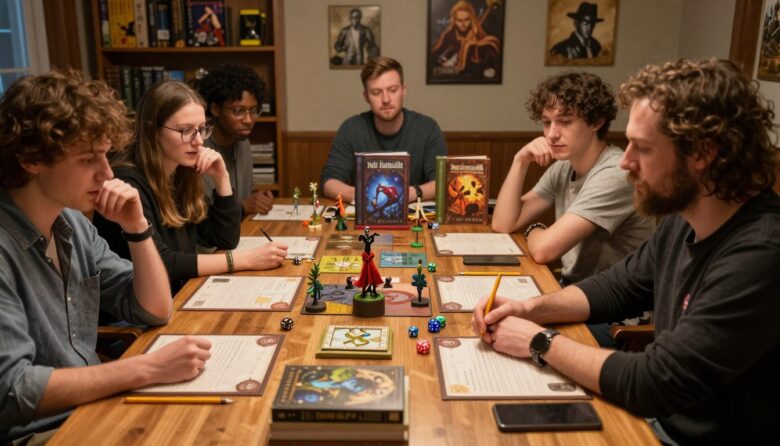
Five practical narrative techniques address slow openings, rigid plots, passive participation, forgotten consequences, and fictional confusion by emphasizing immediate pressure, situation-based preparation, shared narration, responsive outcomes, and clear scene information.
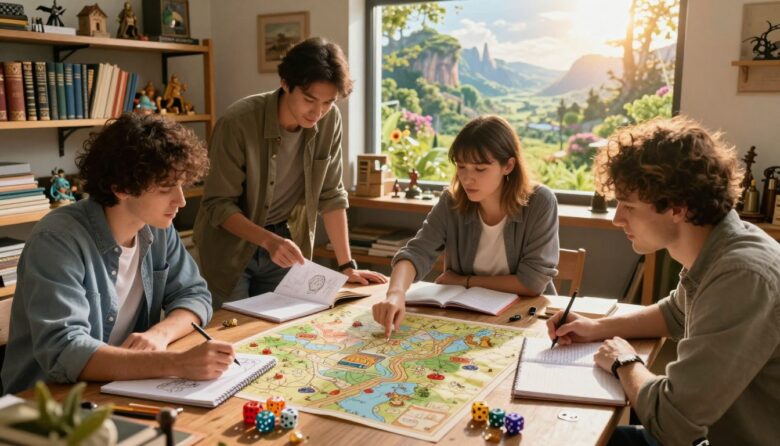
Build a playable campaign world by defining its premise, mapping meaningful choices, creating an anchor settlement, connecting NPCs and factions, seeding varied adventure sites, and expanding the setting through consequences from play.
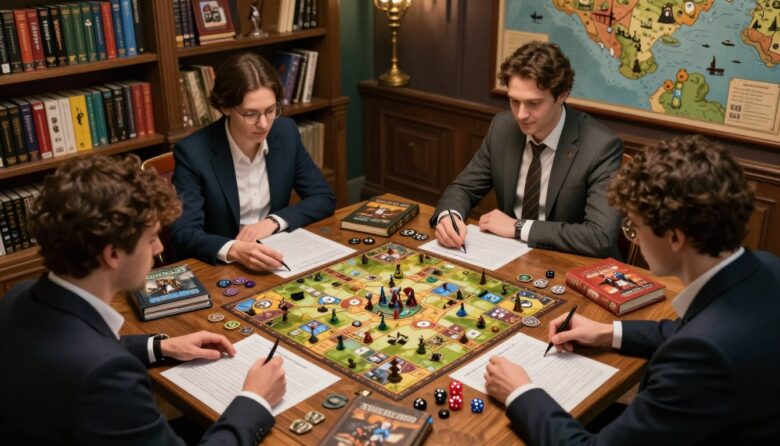
This 2026 review examines Pathfinder 2e’s tactical strengths, including its three-action economy, degrees of success, teamwork, encounter tools, character customization, Remaster changes, and the learning curve created by interconnected rules.
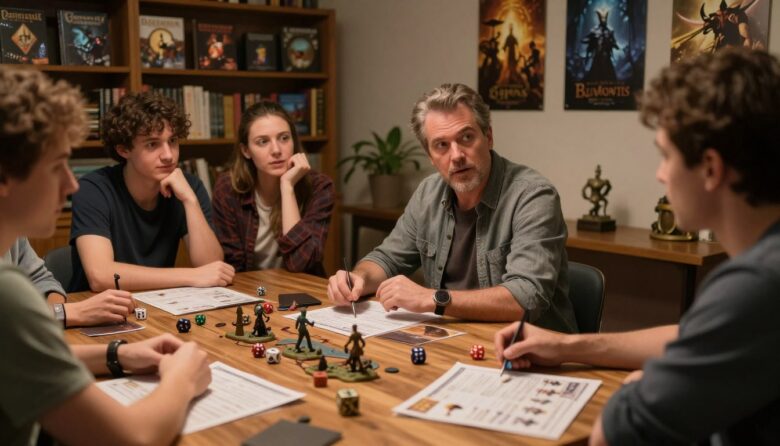
Handle derailed campaigns by distinguishing changed routes from premise or boundary problems, preparing responsive situations, using modular locations and motives, resolving unexpected actions consistently, preserving agency, and recording improvised facts.
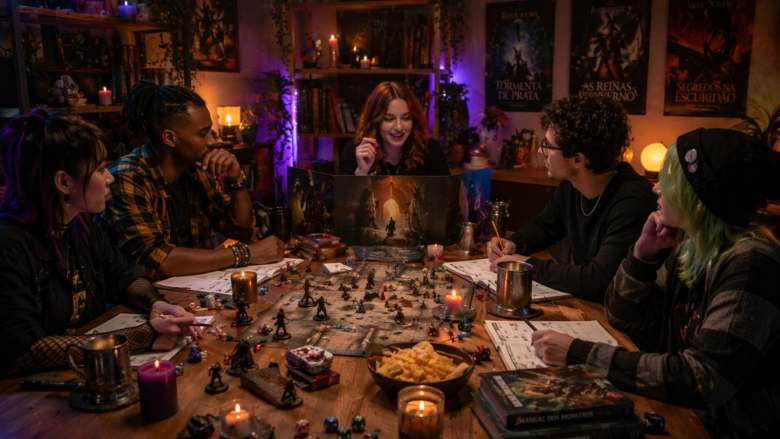
Five multiclass builds for 2014 Dungeons & Dragons fifth edition pair Fighter with Wizard, Rogue with Ranger, Paladin with Warlock, Druid with Barbarian, and Rogue with Artificer, while explaining progression costs and restrictions.
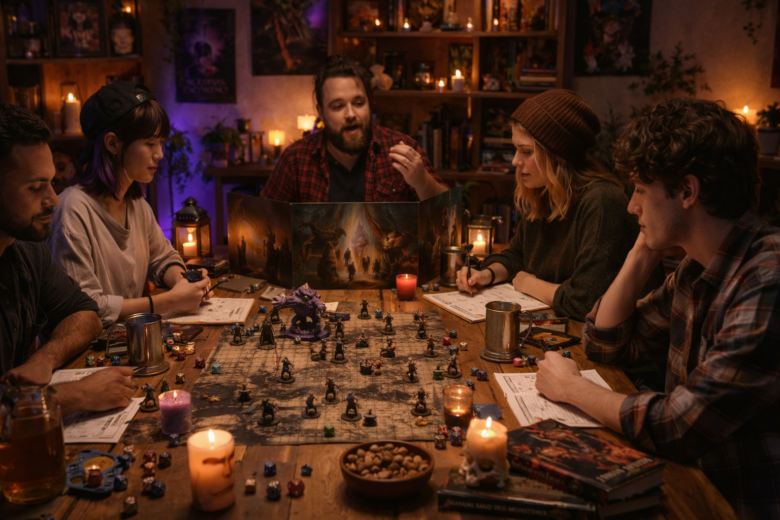
Choose an RPG class by comparing campaign fit, mechanical role, complexity, fictional identity, advancement, risk, preparation, spotlight preferences, and routine decisions, rather than relying on class names or assumed party roles.
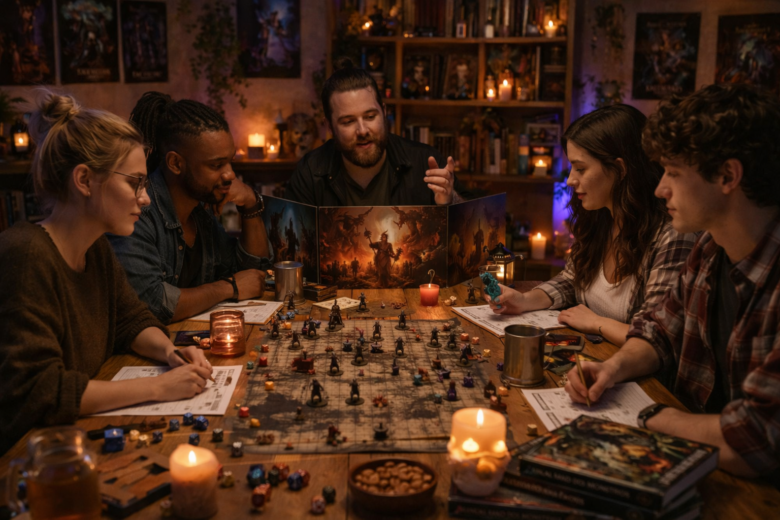
Create a campaign-ready backstory with concise motivations, relationships, unfinished business, present-day behavior, and a durable reason to cooperate, while leaving hidden answers and major plot resolutions open for the GM and group.

Compare digital and analog tools for tracking NPC attitudes, motives, obligations, connections, and next moves, with guidance on retrieval speed, update friction, filtering, permissions, exports, offline access, and lightweight record structures.

AI tools can accelerate RPG brainstorming, note transformation, preparation, and visual concepting, but creators must maintain separate canon, review contradictions, validate mechanics, consider licensing and privacy, and treat generated material as drafts.